Ace Up The Popliteal Fossa
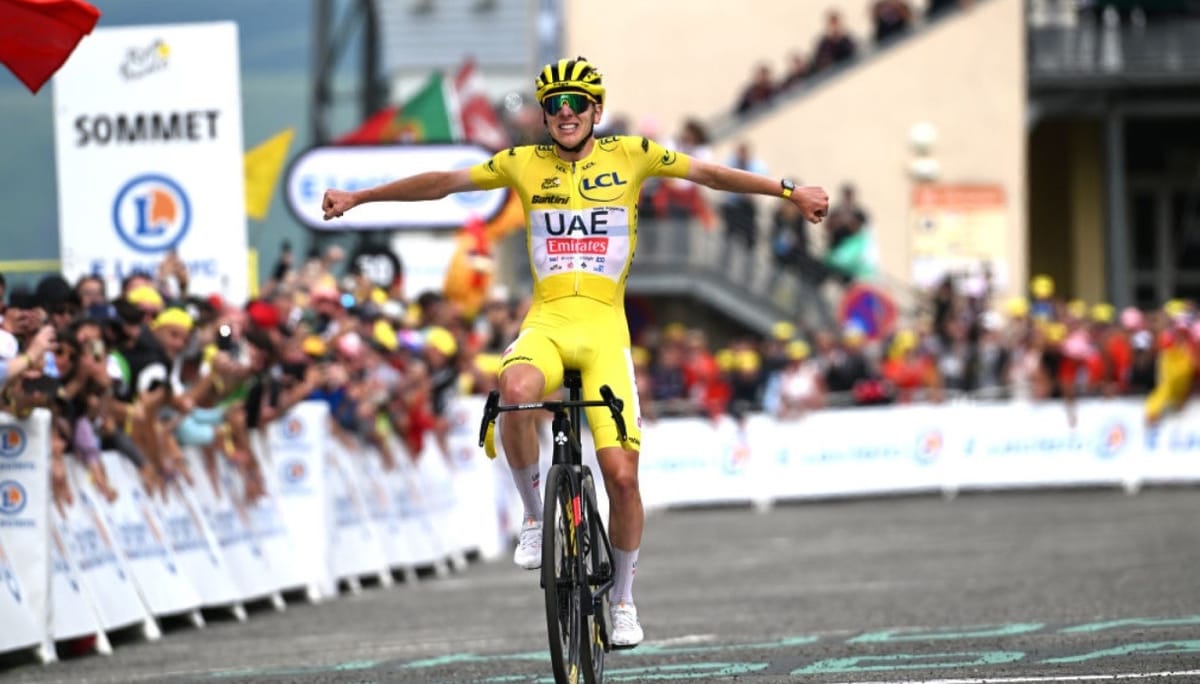
The biomechanical significance of the bicep femoris and semimembranosus in cyclists.
Anatomy and Physiology
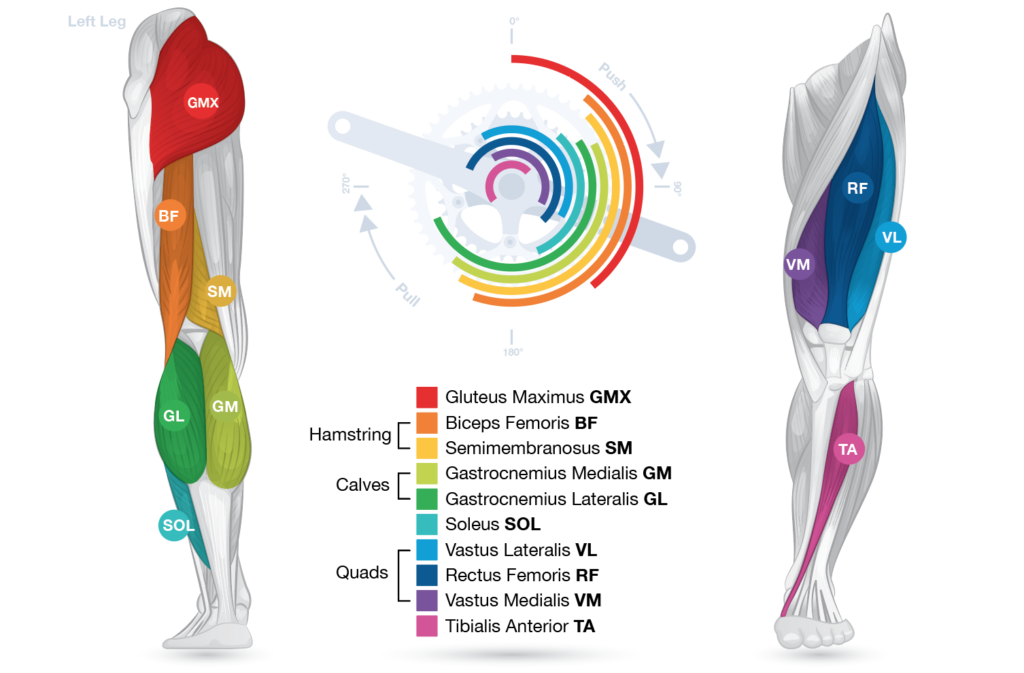
Located in the posterior portion of the thigh, the Biceps Femoris and Semimembranosus muscles are key players in a cyclist’s pedal stroke. Still, they are often forgotten as the quads get the most attention. It begins its involvement at the Top Dead Center (TDC) of the pedal stroke when the knee is at its highest point, just before downward force is applied. The muscle continues to engage all the way to the Bottom Dead Center (BDC), where the knee is fully retracted, and the pedal is positioned 180 degrees relative to the crank’s neutral position at the TDC. This muscle plays a crucial role in providing cyclists with power and stability throughout the pedal stroke.
Primary responsibilities of the Bicep Femoris include:
- Knee Flexion
- Hip Extension
- Contribute towards greater balance and power
Strength and Training
Cyclists should aim to incorporate alternate training days, such as gym sessions targeting individual muscle groups. Leg curls are isolation exercises that target the Biceps Femoris and Semimembranosus by flexing the knee against resistance. This motion allows for concentrated activation of the hamstrings while minimizing the involvement of other muscles. Leg curls are an excellent exercise that provides a fantastic opportunity for progressive overload through increased weight or repetitions. There is minimal risk of injury, and they offer a tremendous chance for progressive overload through increased weight or repetitions.
